Trust & legal
Virtual staging disclosure rules: is it legal, and how to label it
Short answer: virtual staging is legal everywhere we checked, as long as it's disclosed and it doesn't misrepresent the property. Here's what the rulebooks in the US, UK, Finland and Norway actually say, sourced and quoted.
By the Stagey team · Updated 28 September 2026 · 9 min read
This is general information, not legal advice. Rules change and MLS boards set their own policies on top of the law: check yours before you list.
Is virtual staging legal?
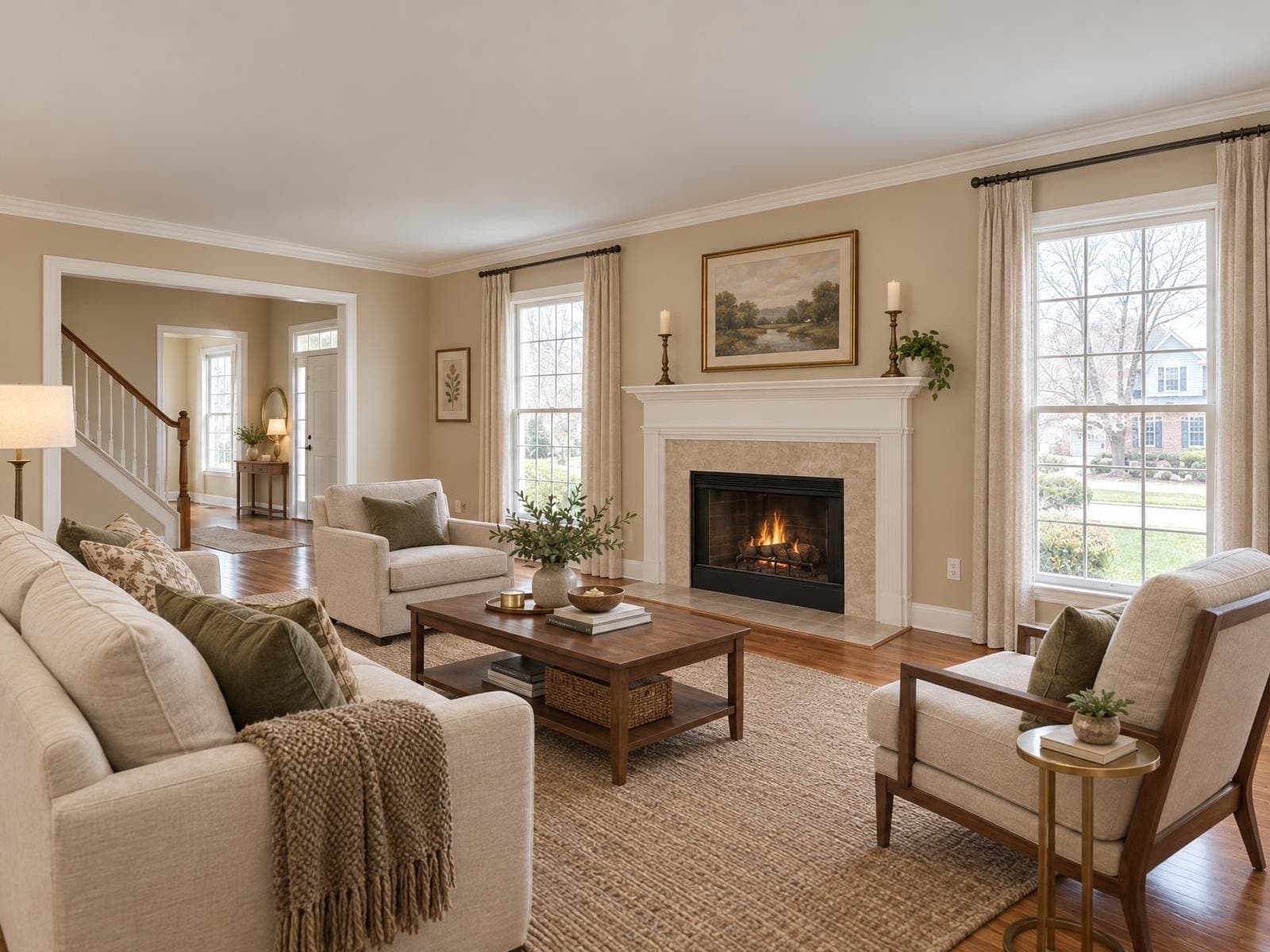
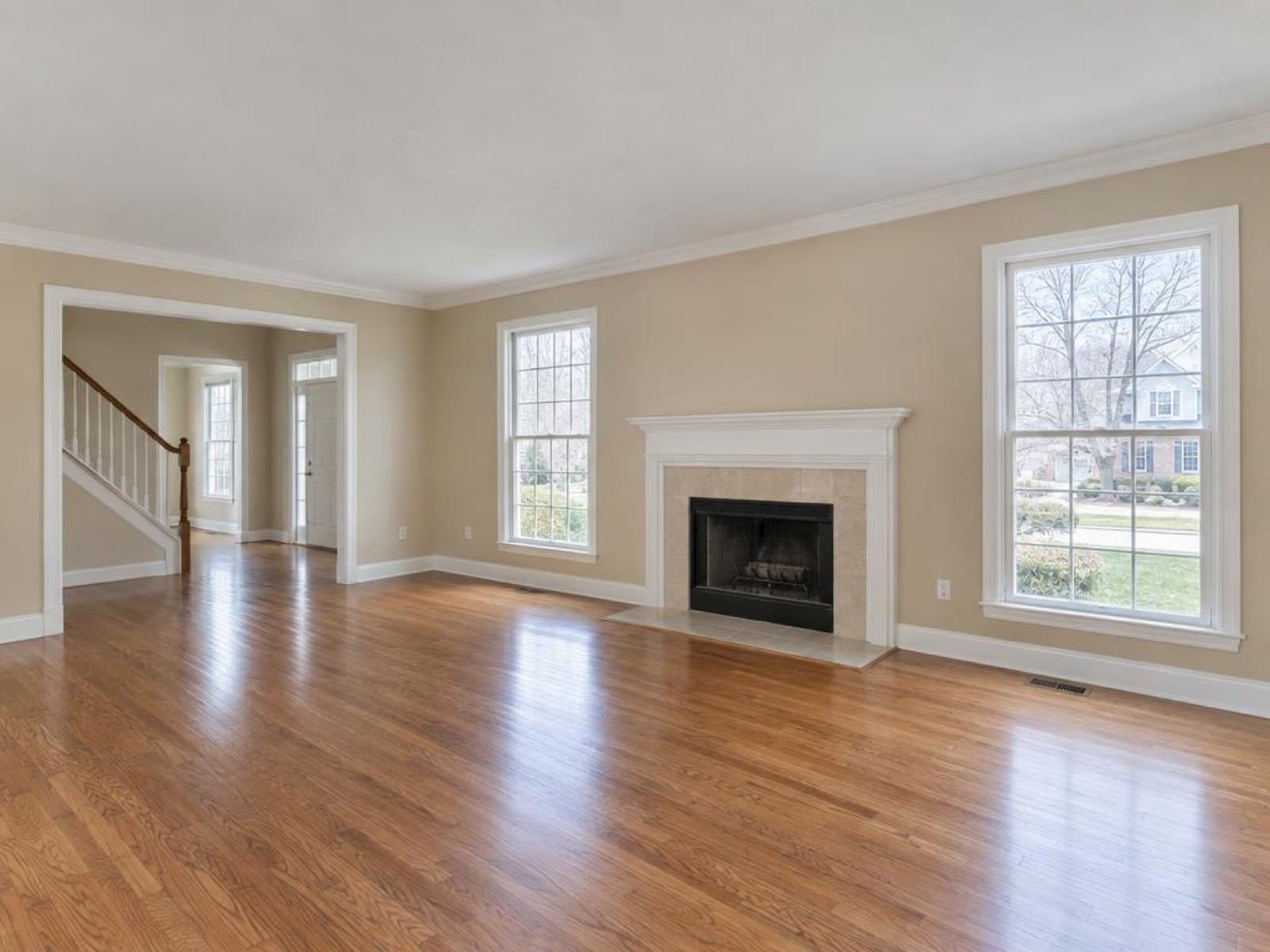
Yes. No jurisdiction covered here bans virtual staging. What they all require, in different words, is the same thing: the photo has to give an honest impression of the property, and if it's been edited, the listing has to say so. Virtual staging that adds furniture to an empty room and is captioned as staged meets that bar everywhere. An edited photo that changes the property and isn't labelled does not, anywhere.
What's allowed and what isn't
The line every rulebook draws is the same: change the presentation, disclose it, but don't change what the buyer will actually get.
Usually fine, if disclosed
- Virtually furnishing an empty room
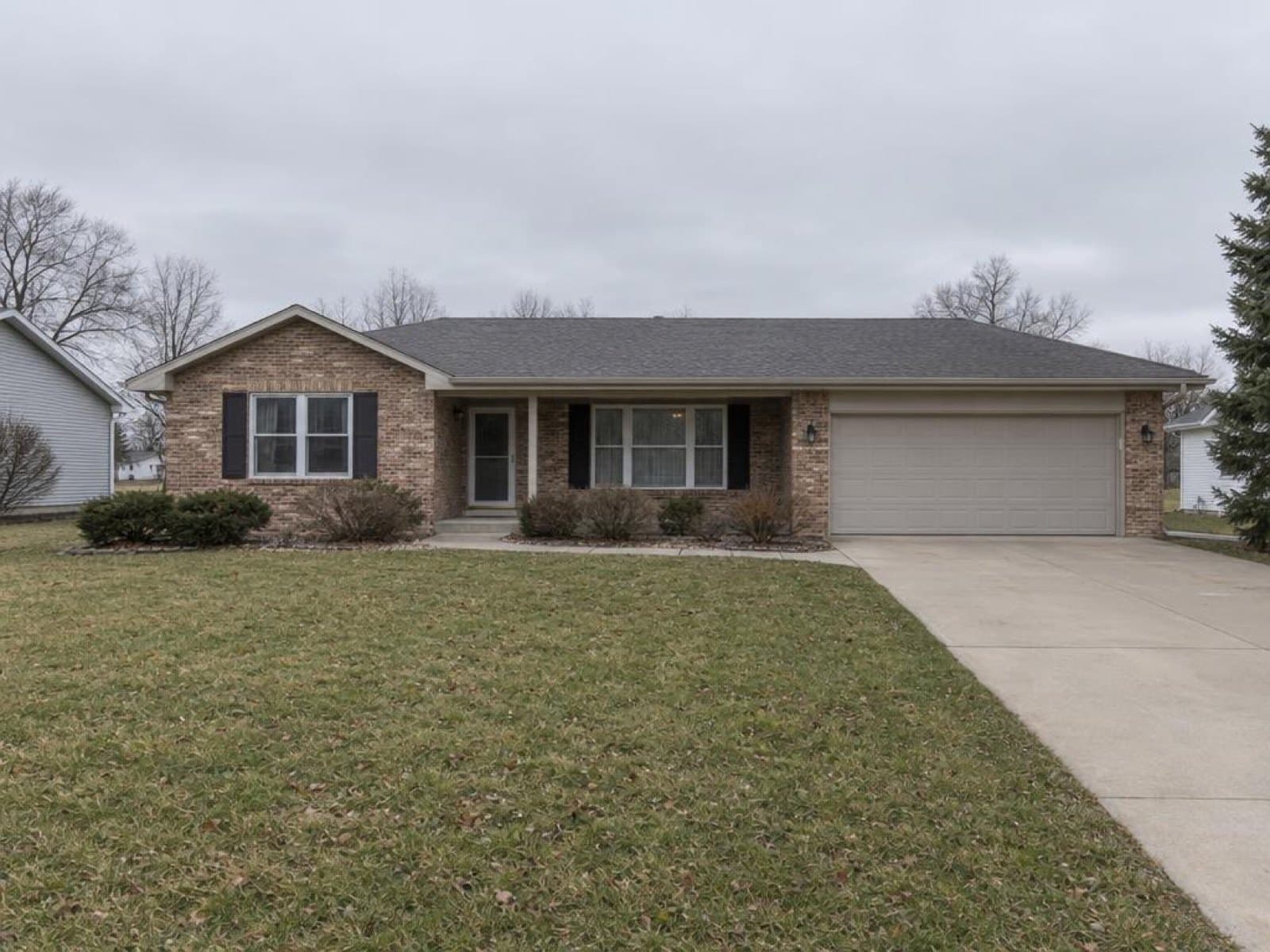
- Replacing a grey sky with a clear one
- Removing clutter, personal photos or a pet's belongings
- Turning a daytime exterior into a twilight shot
Crosses the line
- Adding or removing a room, wall, pool or parking space
- Making a room look bigger than it is
- Hiding damage, damp, a crack or a structural issue
- Publishing an edited photo without saying it was edited
Virtual staging MLS rules: NAR and US law
NAR's Code of Ethics binds every REALTOR®. Article 12 says REALTORS® "shall be honest and truthful in their real estate communications and shall present a true picture in their advertising, marketing, and other representations." Standard of Practice 12-10 spells out what that means for images: it prohibits "manipulating… listing and other content in any way that produces a deceptive or misleading result" and "otherwise misleading consumers, including use of misleading images."
Individual MLS boards go further. CRMLS (the largest MLS in California) requires a digitally enhanced photo to be clearly labelled in the photo description field, with terms like "digitally enhanced," "digitally altered" or "virtually staged," and the unedited original photo included in the listing. That MLS rule now mirrors state law: California's AB 723, in force from 1 January 2026, added Business and Professions Code §10140.8, which requires "a statement disclosing that the image has been altered and a link to a publicly accessible internet website, URL, or QR code that includes, and clearly identifies, the original, unaltered image" for any digitally altered listing image. It defines a digitally altered image as one changed "to add, remove, or change elements in the image," and explicitly excludes basic adjustments like brightness, cropping or straightening.
| Layer | What it requires | Source |
|---|---|---|
| NAR Code of Ethics | A true picture in advertising; no exaggeration or misrepresentation | Article 12 |
| NAR Standards of Practice | No manipulating content into a deceptive result; no misleading images | Standard of Practice 12-10 |
| MLS rule (example: CRMLS) | Caption the photo "digitally enhanced / altered / virtually staged" and include the original | CRMLS Rule 11.5.2 |
| California law | Visible disclosure plus a link or QR code to the unaltered original photo | Bus. & Prof. Code §10140.8 (AB 723) |
National Association of REALTORS® Code of Ethics and Standards of Practice (effective 1/1/2025), nar.realtor, fetched 28 Sep 2026. CRMLS Rule 11.5.2, kb.crmls.org, fetched 28 Sep 2026. California AB 723, leginfo.legislature.ca.gov, fetched 28 Sep 2026, effective 1 Jan 2026.
UK: misleading actions under the DMCC Act
From April 2025 the Competition and Markets Authority (CMA) enforces consumer protection directly, under the Digital Markets, Competition and Consumers Act 2024. Its guidance on unfair commercial practices explains that a trader commits a misleading action if it gives false or misleading information about, among other things, "the main characteristics of the product," where the average consumer would take a different decision as a result. Its own worked example is a property: "A trader advertises a house as having 3 bedrooms, when in fact it has 2 bedrooms and a box room too small for a bed… this is likely to cause the average consumer to take a different decision." A photo that misrepresents the size or contents of a room sits under the same rule.
The UK has no staging-specific law, so there's no separate rule requiring a "virtually staged" label; the general test is whether the photo would mislead an average buyer.
Finland and Norway
Neither country has a staging-specific law either, but both have general marketing rules that already cover a photo that misrepresents a home.
| Country | Rule | Source |
|---|---|---|
| Finland | The Consumer Protection Act bans false or misleading information about a product's key characteristics in marketing, which covers housing ads and their images | Kuluttajansuojalaki 38/1978, ch. 2 § 6 |
| Norway | Photos and illustrations in housing marketing "must give a balanced and representative picture of the home… as it appears at the time of marketing"; a future-use illustration (a different floor plan, colour or extension) must clearly say it differs from the current state | Forbrukertilsynet, Veiledning om markedsføring av bolig, §3.3.6 |
Kuluttajansuojalaki 38/1978, finlex.fi, fetched 28 Sep 2026; KKV guidance, kkv.fi. Forbrukertilsynets veiledning om markedsføring av bolig, forbrukertilsynet.no, fetched 28 Sep 2026 (quote translated from Norwegian).
The Norwegian wording is the closest any authority here comes to describing virtual staging directly: an illustration of a possible future look is fine, as long as it's clearly flagged as different from how the home actually looks today. A captioned "virtually staged" photo does exactly that.
Virtual staging disclosure: how to caption the photo
None of the rules above require special software or a watermark. A visible, plain-language label does the job everywhere.
- Add a visible labelIn the photo caption or description field: "Virtually staged" or "Digitally enhanced."
- Keep the originalThe unedited photo of the empty or as-shot room, in the listing or available on request.
- Say what changedFurniture added, sky replaced, clutter removed: the edit, not the building.
- Check your own MLS or portal ruleSome boards require specific wording or photo placement; the law is the floor, not the ceiling.

Is virtual staging worth it, and does it work?
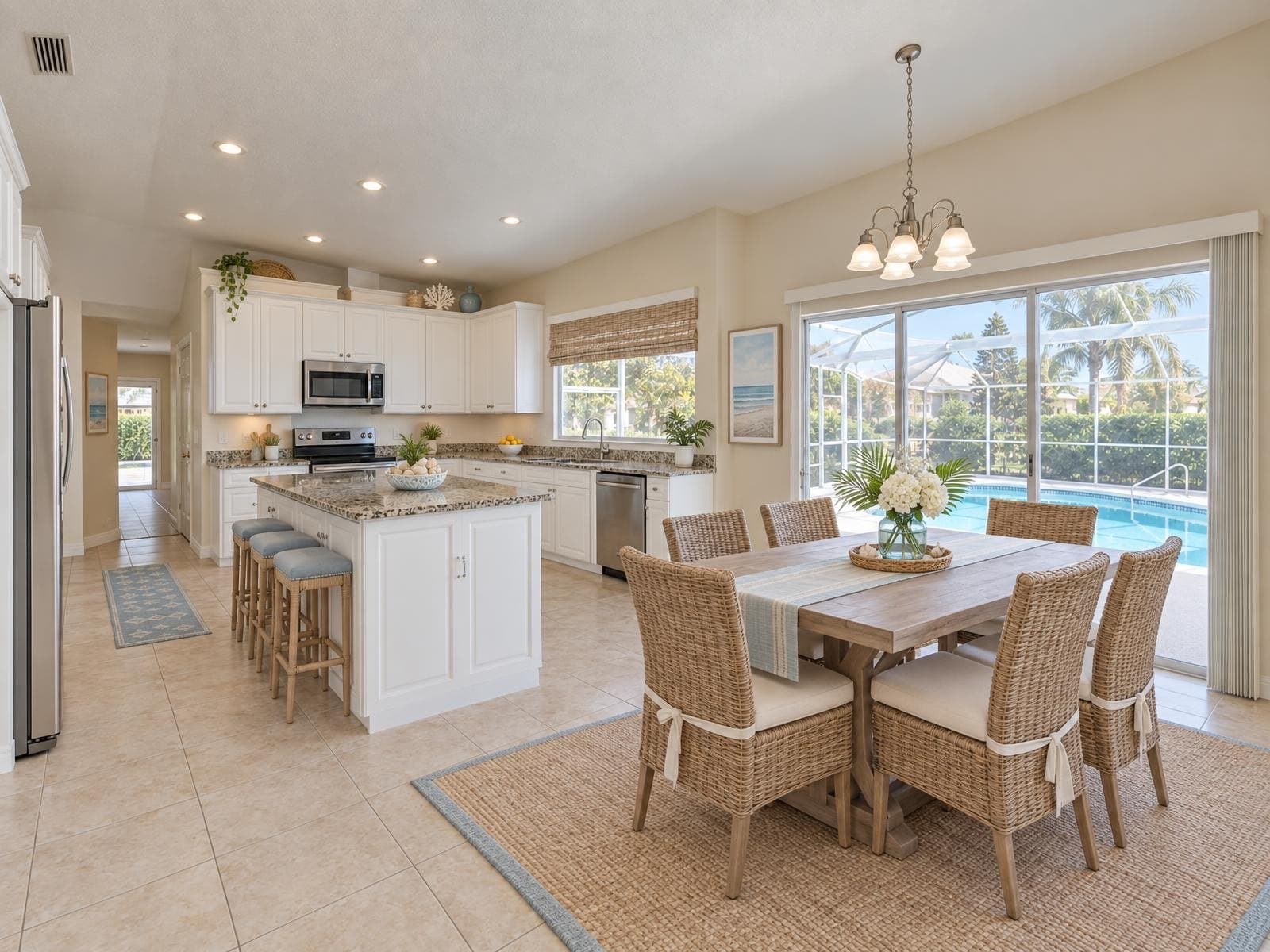
It works for the same reason physical staging does: an empty room is hard to picture furnished, and most buyers aren't trained to do it. A disclosed, staged photo gives them that picture honestly. It won't work if the problem is the layout itself, a real defect, or the size of the room: furniture in a photo doesn't change any of those, and a labelled photo doesn't claim to.
| Method | Typical cost | What the buyer sees |
|---|---|---|
| Physical staging | $2,000–5,000 per property (typical metro) | Real furniture in the actual room; no disclosure needed |
| Human virtual-staging studio | $75–150 per image, commonly quoted, 24–48 hour turnaround | Furniture added digitally, 24–48 hour turnaround; needs disclosure |
| Stagey | $2.08–$2.40 per photo | Furniture added digitally in about a minute; needs disclosure |
Physical and human virtual-staging figures as already published on trystagey.com. Stagey: pay-as-you-go pack prices, 2 credits per photo.
For an already-empty room, that's the trade-off: a fraction of the cost and time of physical staging, in exchange for one line of caption text. See the pricing page for the full breakdown of packs and plans. For a furnished room you want emptied and restyled instead, see Remove Furniture.
Questions people ask
Is virtual staging legal?
Yes, everywhere we checked. Virtual staging isn't banned anywhere in the US, UK, Finland or Norway. What every rulebook agrees on is that the photo can't misrepresent the property, and it has to be disclosed as edited. Add furniture to an empty room and say so, and you're on the right side of every rule covered on this page.
Do I have to disclose virtual staging on the MLS?
Check your own MLS: rules differ by board. Some, like CRMLS in California, require the caption to say "digitally enhanced," "digitally altered" or "virtually staged," with the original photo included in the listing. Nationally, NAR's Code of Ethics requires a true picture in advertising and bans misleading images (Article 12, Standard of Practice 12-10), which virtual staging satisfies only if it's labelled.
Is virtual staging worth it?
We can't quote a return on a sale we didn't make. What we can say honestly: physical staging typically runs $2,000–5,000 per property (typical metro), a human virtual-staging studio charges $75–150 per image, commonly quoted, 24–48 hour turnaround, and Stagey charges $2.08–$2.40 per photo and returns it in about a minute. It's a cheap way to show an empty room furnished. It won't fix a bad layout or hide a real problem with the property, and it doesn't replace a physical viewing.
Does virtual staging work, or do buyers notice?
It works as a way to help a buyer picture a room furnished, which is the same job physical staging does. Buyers increasingly expect to see a disclosure label on an edited photo, and a labelled photo doesn't seem to put people off: the whole point of the label is that it's an honest preview, not a claim about what's in the room today.
What's the difference between virtual staging and a misleading photo?
Virtual staging adds furniture to a room that stays exactly the size, shape and condition it was shot in. A misleading photo changes the property itself: a bigger room, a missing wall, a repaired crack, a view that isn't there. The furniture can be undone by walking into the room; the structural claim can't.
How should I caption a virtually staged photo?
A short, visible label on or next to the photo: "Virtually staged" or "Digitally enhanced." Put it in the photo description field, not buried in the listing text, and keep the original unfurnished photo available. That satisfies every rule we found, including the strictest one (California's).
Keep reading
Tool
Virtual Staging
Furnish an empty room in about a minute. Label it, and you're covered everywhere on this page.
Read →
Guide
Best virtual staging software
How the main virtual staging tools compare, and what to check before you pick one.
Read →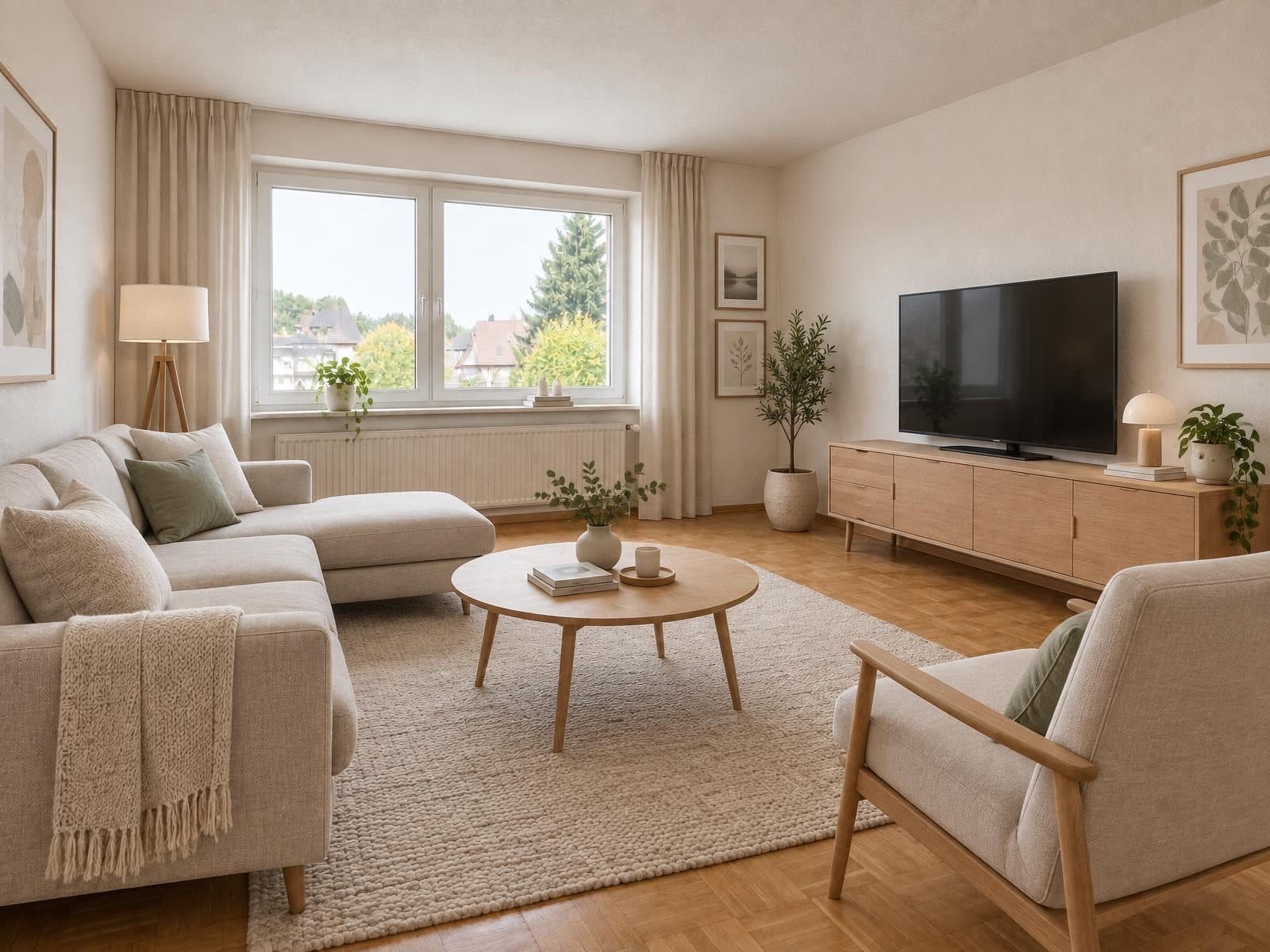
Tool
Remove Furniture
Empty a furnished room first, then restyle it. The add-on for rooms that aren't empty yet.
Read →Stage it, label it, list it
Furnish your first empty room free and see how it looks with an honest caption.
4 free credits · no credit card